What is Substance Use Disorder?

1 in 5 people with substance use disorder (SUD) have experienced a traumatic brain injury (TBI).
SUD is a pattern of using a substance, alcohol, cannabis, sleeping pills or other prescription medications, or illicit drugs, that becomes hard to control, even when it's causing problems at home, work, school, or with a person's health.
Doctors don't see it as all-or-nothing, it's diagnosed on a spectrum, from mild to severe, and it can improve with the right support.

A Cycle,
Not a Coincidence
Traumatic brain injury (TBI) and substance use disorder (SUD) don't just happen to overlap, each one raises the risk of the other.
Understanding this cycle is the first step to interrupting it.
Signs and Symptoms
Every brain injury is different, and so is every experience with substance use.
These aren't checklists for a diagnosis, they're patterns worth noticing, in yourself or someone you love.

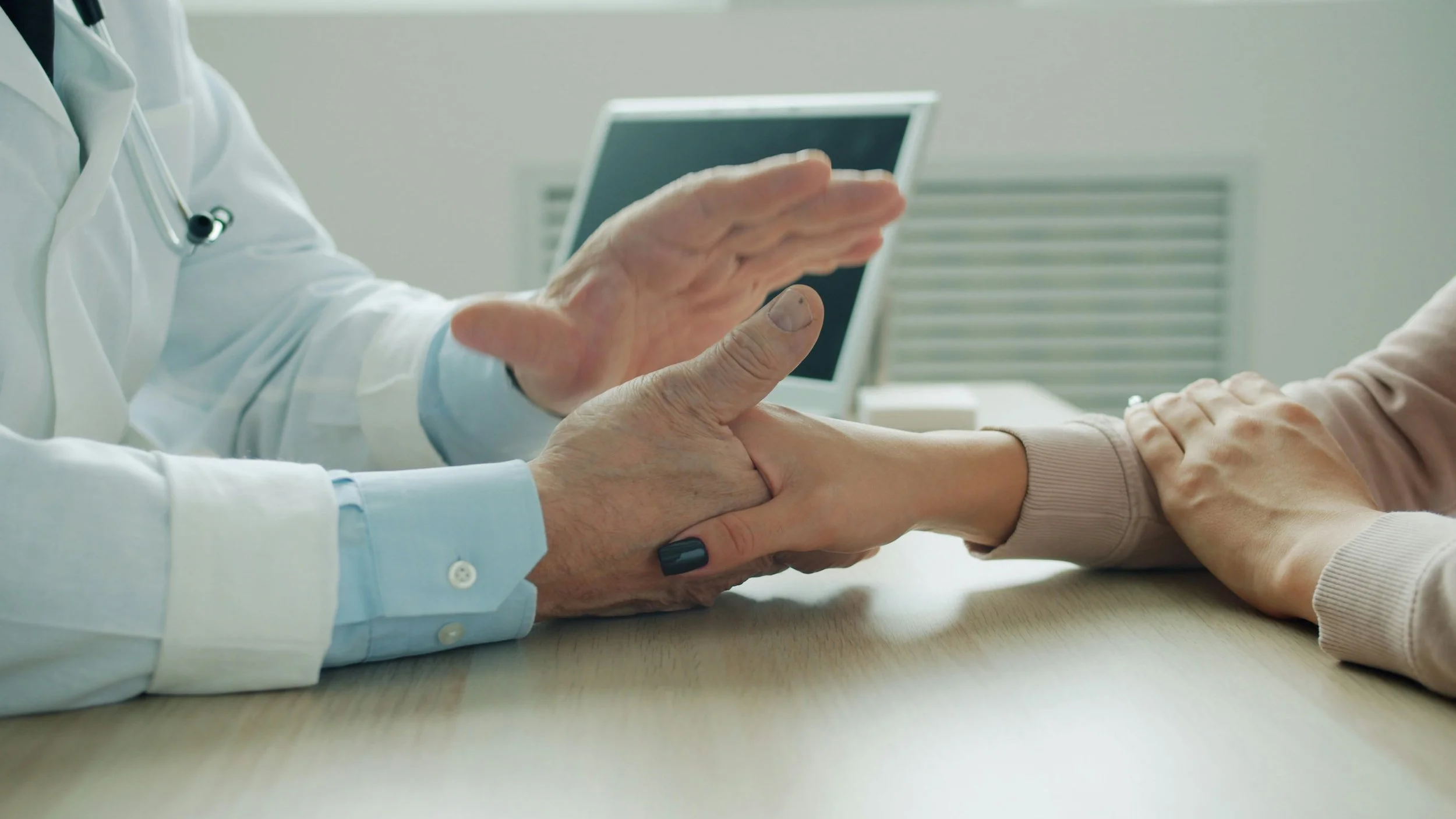
Questions Worth Asking
You don't have to know
exactly what to say to bring this up.
Use these questions with a provider,
or on your own to help you get started.
Support You Can Reach Today
Help is available, and a lot of it is free.
These four resources are a good place to start, whichever one feels right today.
Talk to someone, right now.
Free, confidential, 24/7
Call 1-800-662-4357 for mental health or substance use support. No insurance needed.(SAMHSA National Helpline)
Search for care near you.
FindTreatment.gov is SAMHSA's free directory of treatment programs, filter by free or sliding-scale to find affordable options close to home.
Get brain-injury-specific support.
Call the Brain Injury Association of America at
1-800-444-6443 for free info and referrals.
Find community.
Free peer support through LoveYourBrain's Mindset Groups connects survivors and caregivers with people who understand.