

Brain Brief
〰️
Brain Brief 〰️
Safe Living Space Leads Groundbreaking Research on Brain Injury in the Homeless Population
Safe Living Space is driving national attention to the hidden connection between brain injury and homelessness. In partnership with Sarah’s Circle, a women’s shelter in Chicago, Safe Living Space launched the nation's first traumatic brain injury (TBI) screening program for women experiencing homelessness.
Previous Brain Briefs
3 Causes of Brain Injury 12/12/2025
Vision & Brain Injury 12/5/2025
BrainScreen App 11/28/2025
New York City Legislation 11/21/2025
Homeless and Brain Injured 11/14/2025
Key Findings from the Study
Over 90% of participants reported a history of violence.
More than 70% disclosed a prior injury to the head or neck.
Nearly all described symptoms consistent with brain injury—such as headaches, forgetfulness, or light sensitivity—yet few had ever been told they might have a TBI.
When left unrecognized, TBI can make daily functioning, employment, and maintaining stable housing profoundly difficult. These results shed light on an often-overlooked truth: brain injury can be both a cause and a consequence of homelessness.
Safe Living Space Changing Systems and Lives
Safe Living Space research and training programs are equipping shelter staff to recognize brain injuries, reshaping how providers understand the cycle of violence, vulnerability and brain injury.
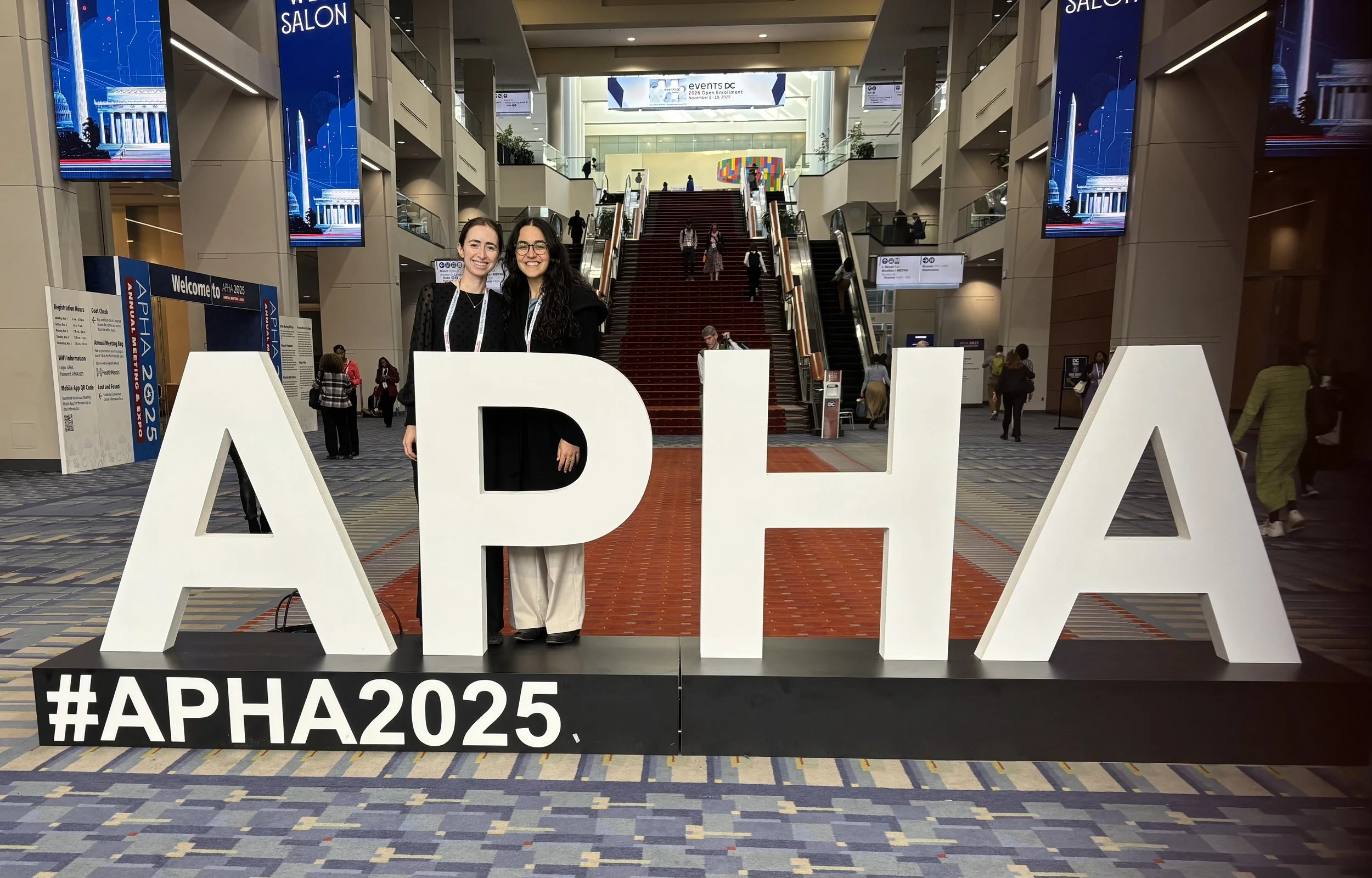
On Sunday, November 2, Safe Living Space researchers Tali Sorets (MS4, Northwestern University) and Sophie Ulene (MS4, Columbia University) presented these findings at the American Public Health Association Conference in Washington, D.C., drawing national attention to the critical intersection of brain injury, domestic violence, and homelessness.