

A traumatic brain injury (TBI) is an injury to the brain caused by a blow, bump, or jolt, rapid movement, or other force to the head, neck, or body. A concussion is the most common form of TBI and does not require a loss of consciousness. Concussions can cause symptoms that affect how a person thinks, feels, moves, or functions—and they often go unrecognized. More significant TBIs can cause bruising, bleeding, torn brain tissue, swelling, or other physical damage. Without proper recognition and care, any brain injury can lead to lasting changes in health and daily life.
Brain injuries can happen to anyone, anywhere. Recognizing a TBI is an important first step toward getting the right care and support.
Learn more about how traumatic brain injury (TBI) (concussions) can happen.
What is a Traumatic Brain Injury (TBI)?
Causes
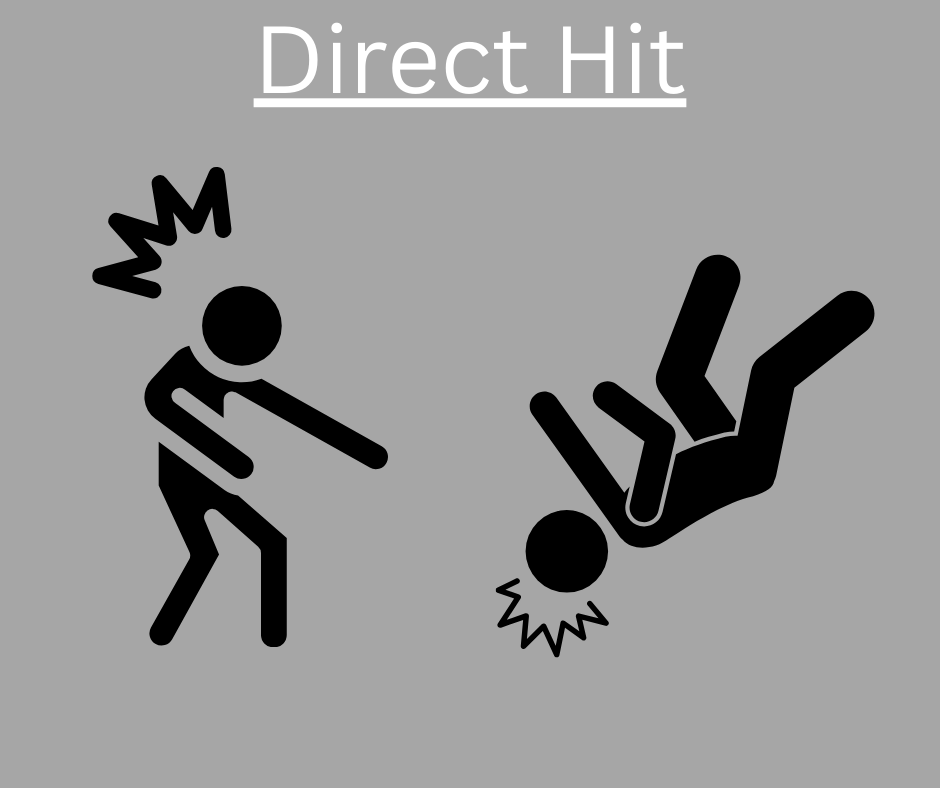
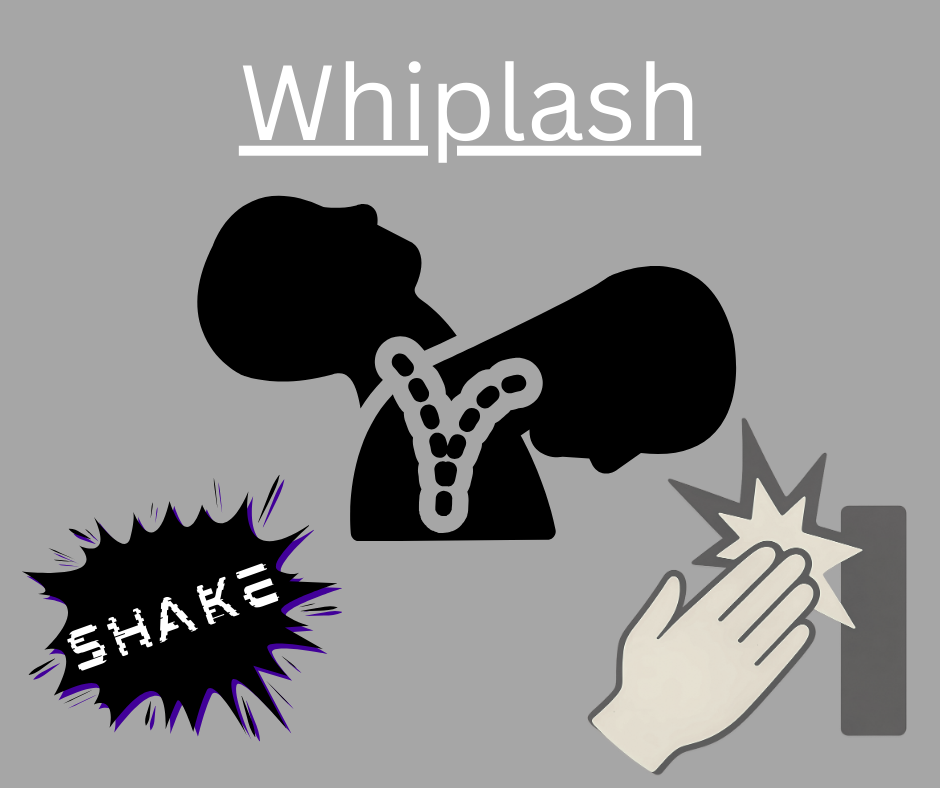
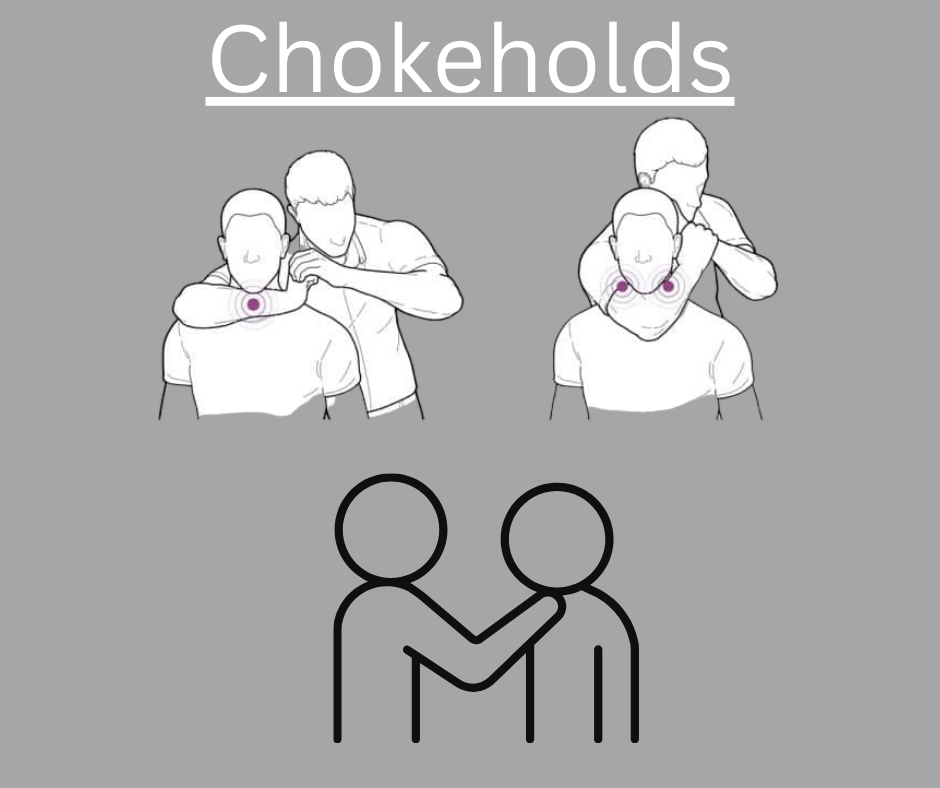
Traumatic brain injuries (TBIs), including concussions, can occur through several mechanisms, including a direct hit to the head, whiplash or rapid acceleration-deceleration, chokeholds or strangulation, and overdose-related events. These injuries can happen in many situations, including falls—which are the most common cause—motor vehicle crashes, sports and recreational injuries, assaults, and blast explosions, which are particularly relevant for veterans and military personnel.
A TBI does not require a loss of consciousness and can occur even when there is no direct blow to the head, such as with whiplash or strangulation.
Symptoms
Most Common
Physical: Headaches, dizziness, nausea, fatigue, and blurred vision.
Sensory: Sensitivity to light or sound, and ringing in the ears.
Thinking: Confusion, trouble concentrating, memory loss, or feeling "slowed down".
Emotional: Anxiety, irritability, or sadness.
Sleep: Trouble falling asleep, or sleeping more or less than usual
Often Missed
Physical: Hoarseness and blood shot eyes following chokehold or strangulation, headaches in the back of the neck (Occipal Neuralgia), balance and coordination
Thinking: Brain Fog, forgetfulness, loss of selective attention
Emotional: Mood shifts, PTSD, sudden onset of ADHD